Sub-Floor Inspection Sydney: The Zone That Hides the Big Problems
40% of pre-1990 timber-floored Sydney homes have sub-floor moisture issues.
 Written by Rod Ismail, Principal Building & Pest InspectorReviewed by Rod Ismail 10 min readPublished 1 July 2026 · Last verified 1 July 2026
Sydney's older timber-floored housing stock has a sub-floor space that is the single most defect-rich zone after the roof void. Cheap inspections skip it. This guide walks what a proper sub-floor inspection covers and the seven findings we make most often.
Why sub-floors matter more in Sydney than most cities
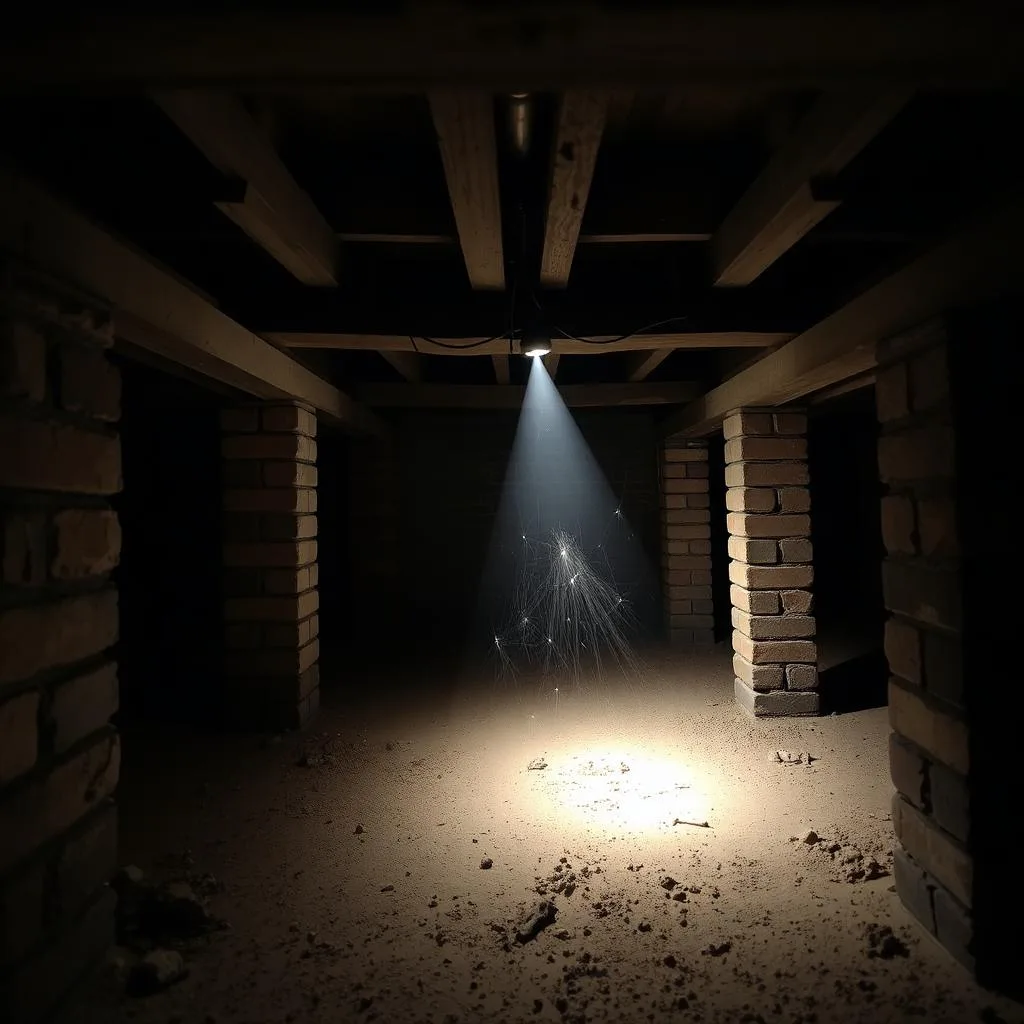
Sydney's older housing stock is dominated by timber-floored construction — brick veneer with suspended timber floors, weatherboard-and-fibro cottages, Federation and inter-war homes on brick piers, and post-war fibro on stumps. All of these have a sub-floor space, and it is the single most defect-rich zone in the house after the roof void.
Sub-floor inspection is where termite activity, structural bearer defects, drainage failure, plumbing leaks and ventilation issues concentrate. It is also the zone most commonly excluded from cheap inspections because it is physically uncomfortable to enter, dirty, and sometimes requires the inspector to remove sub-floor access hatches themselves.
What proper sub-floor inspection looks like
Physical entry through the largest available sub-floor access, crawl to the far corner of the sub-floor, and systematic photograph and moisture-meter documentation of: every bearer and joist, every pier or stump, all plumbing runs, all electrical runs, all ventilation grilles, and any sign of moisture, damage or biological activity.
Time on task for a standard Sydney single-storey house: 20-40 minutes in the sub-floor. Findings on a standard inspection: 3-8 items, ranging from conducive conditions (poor ventilation, ground-contact timber) to major defects (bearer deflection, moisture damage, live termite activity).
The seven most common sub-floor findings
1. Poor ventilation. Sub-floor vents blocked by landscaping, garden bed built up above vent line, insufficient number of vents for the sub-floor volume. Fix: unblock existing vents, install additional vents, or add mechanical extract fans.
2. Ground-contact timber. Old formwork, timber offcuts, or firewood stored in the sub-floor. Direct termite invitation. Fix: physical removal.
3. Plumbing leaks. Slow drips from waste pipes, hot-water line fittings, or old copper pipework. Wet the sub-floor timbers and attract termites. Fix: plumber engagement.
4. Bearer or joist deflection. Timber members sagging under load, typically from historical moisture damage or termite damage. Fix: temporary propping and replacement, $3,500-$12,000+.
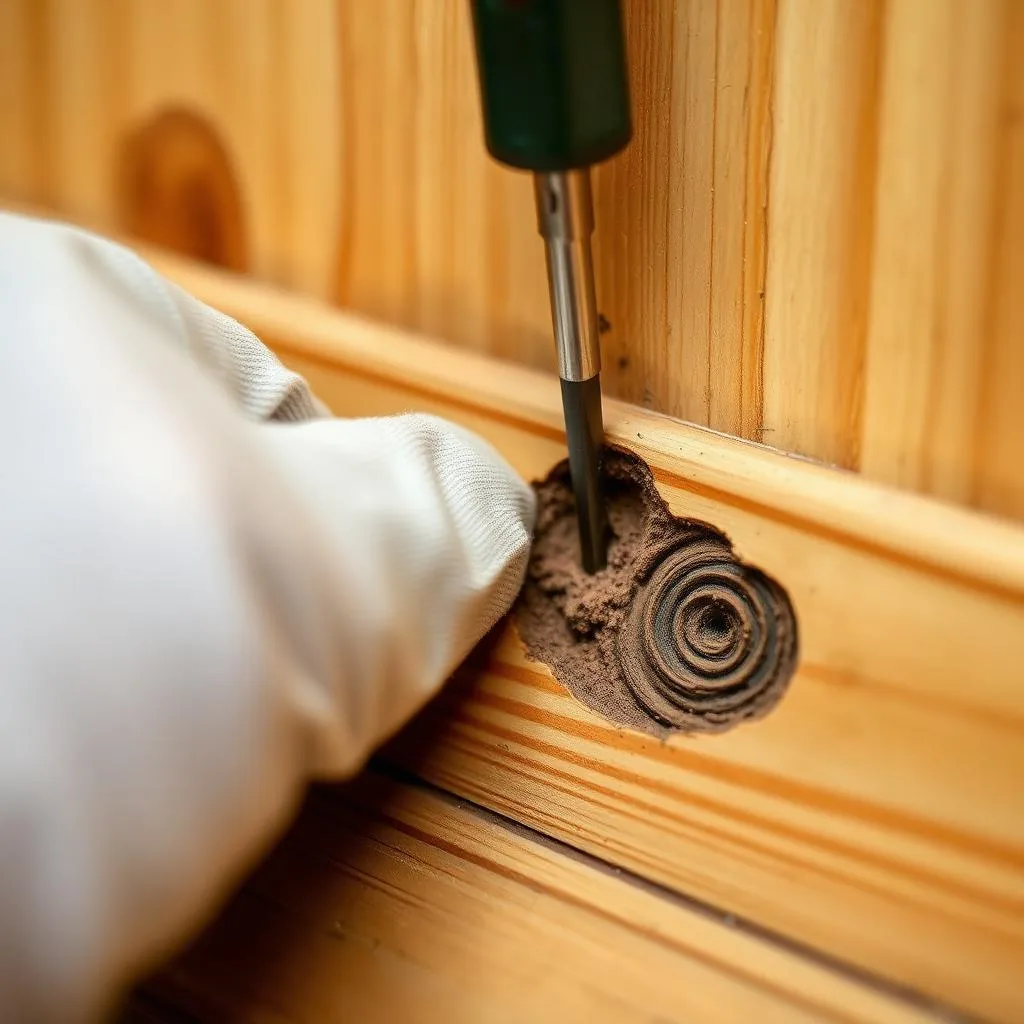
5. Termite activity or damage. Discussed in the termite guide. Sub-floor is the number-one location for Sydney termite finds.
6. Rising damp on brick piers. White salt bloom on lower bricks, damp lower courses, sometimes efflorescence internally on the wall above.
7. Old asbestos-containing materials. Fibro sheet offcuts, old vinyl flooring residues, asbestos-containing lagging on hot-water lines. Requires proper identification and licensed removal.
When the sub-floor is inaccessible
Sub-floor is 'accessible' under AS 4349.1 if there is at least 400mm clearance from the underside of the joists to the ground, and a physical access hatch. Sub-floors with less than 400mm clearance, or with no hatch, are formally inaccessible and must be qualified in the report.
The tempting response — 'the inspector couldn't get in so we'll assume it's fine' — is exactly the wrong response. An inaccessible sub-floor is a materially higher-risk sub-floor because nobody has been in there for years. Where sub-floor access is inaccessible on a Sydney property with a history of moisture issues, the sensible response is a licensed pest technician using an inspection scope (endoscope-equipped camera) to visually check what a crawling inspection could not.
Slab-on-ground properties — different problem, same principles
Slab-on-ground homes (most post-1990 project builds) have no sub-floor. That does not eliminate the moisture problem — it relocates it to the slab-edge detail and the internal slab moisture management. The equivalent findings on slab-on-ground properties are: drainage against the slab edge, missing or blocked weep holes above the slab, articulation joint failure, and — critically — moisture rising through the slab where the damp-proof membrane failed or was omitted at construction.
Rising-slab moisture presents as: floor coverings lifting, timber flooring cupping, dark staining on carpet edges, and elevated moisture readings on the slab surface. Rectification is difficult and expensive — often involves lifting floor coverings, injecting slab crack repair, and installing surface damp-proofing. Cost bands: $6,500-$25,000.
Related on Pest & Building Inspections Australia
The ventilation upgrade — highest-ROI sub-floor spend
For any Sydney timber-floored home with elevated sub-floor moisture, the highest-return spend is almost always a mechanical sub-floor ventilation system. Modern systems (Ventis, Envirovent, and equivalents) use humidity-controlled extract fans on timers, drawing moist air out of the sub-floor and replacing it with drier outside air.
Installation cost: $2,800-$6,500 depending on sub-floor size and complexity. Running cost: negligible (fans use 20-40 watts). Return: dramatic reduction in sub-floor moisture, extended life of bearers and joists, reduced termite risk, and improved ground-floor indoor air quality. This is one of the highest-ROI maintenance interventions available on a Sydney home.
Reading the report
A sub-floor inspection report section should include: photographs of every zone inspected, moisture readings on bearers and joists (both in dry-baseline and suspect zones), specific findings by location and member, and — where inaccessible — an explicit statement of the areas not inspected.
The pattern to look for: the sub-floor moisture readings should be low and consistent (10-14% MC on timber). Elevated readings in specific locations (20%+ MC) directly correlate to a specific moisture source — a leaking pipe above, a downpipe discharge point, or a blocked ventilation grille. The inspector should be able to name the source, not just report the reading.
The negotiation position
Sub-floor findings that are legitimate negotiation levers on a Sydney purchase: bearer deflection or damage ($8,000-$30,000), live termite activity ($15,000-$60,000+ combined treatment and repair), extensive plumbing leaks ($3,500-$12,000), and inadequate ventilation with existing moisture damage ($3,500-$8,000 for combined ventilation upgrade and localised repair).
Conducive-condition findings (poor ventilation, ground-contact timber) that have not yet produced damage are usually not negotiation levers but are firm maintenance priorities for the first 6 months of ownership.
Final word
A Sydney building inspection that skipped the sub-floor is a building inspection that skipped one of the two most defect-rich zones on the property. Ask the inspector before they attend: 'Will you physically enter the sub-floor, and roughly how long will you spend there?' The answers should be 'yes' and '20-40 minutes'. Anything else is not the inspection you should be paying for.
Explore our core inspection services & Sydney regions
Jump straight to the pillar page that matches your situation — every guide, service and suburb page on Pest & Building Inspections Australia connects back to these.
CORE INSPECTION SERVICES
- Building inspection cost Sydney (2026 pricing)
Transparent 2026 price ranges + instant fixed-quote cost calculator.
- Combined building & pest inspections in Sydney
Structural + timber-pest in one visit, AS 4349.1 & 4349.3.
- Pre-purchase building inspections
Cooling-off ready reports — same day where possible.
- Termite & timber-pest inspections
Thermal + moisture-metered checks across every Sydney postcode.
- New-build & handover inspections
PCI, handover and staged inspections for new Sydney homes.
SYDNEY REGIONS WE COVER
POPULAR SUBURB INSPECTION PAGES
- Building Inspections Sydney CBDSydney Metro
- Building Inspections ParramattaWestern Sydney
- Building Inspections PenrithWestern Sydney
- Building Inspections LiverpoolWestern Sydney
- Building Inspections BlacktownWestern Sydney
- Building Inspections ChatswoodNorth Shore
- Building Inspections North SydneyNorth Shore
- Building Inspections BondiEastern Suburbs
- Building Inspections ManlyNorthern Beaches
- Building Inspections Castle HillHills District
- Building Inspections CronullaSutherland Shire
- Building Inspections CampbelltownWestern Sydney
Frequently asked questions
How quickly can you inspect a property in Sydney?+
In most cases we can attend within 24–48 hours of booking, with same-day inspections often available across Sydney metro when arranged by 10am.
Are you independent?+
Yes. Pest & Building Inspections Australia operates independently — our reports are evidence-based and written to give you a clear, impartial picture of the property so you can make a confident decision.
Do you follow Australian Standards?+
Every inspection is carried out to AS 4349.1 (building) and AS 4349.3 (timber pests). All inspectors are fully licensed, insured and carry $20M professional indemnity cover.
Book an inspection that physically enters the sub-floor
Booking takes under a minute. Reports within 48 hours where possible.
Fixed price in 60 seconds · Reports within 48 hours · Fully independent