Building Inspection Checklist: What a Good Report Should Cover
The checklist a good Sydney inspector uses on every job.
 Written by Rod Ismail, Principal Building & Pest InspectorReviewed by Rod Ismail 9 min readPublished 1 July 2026 · Last verified 1 July 2026
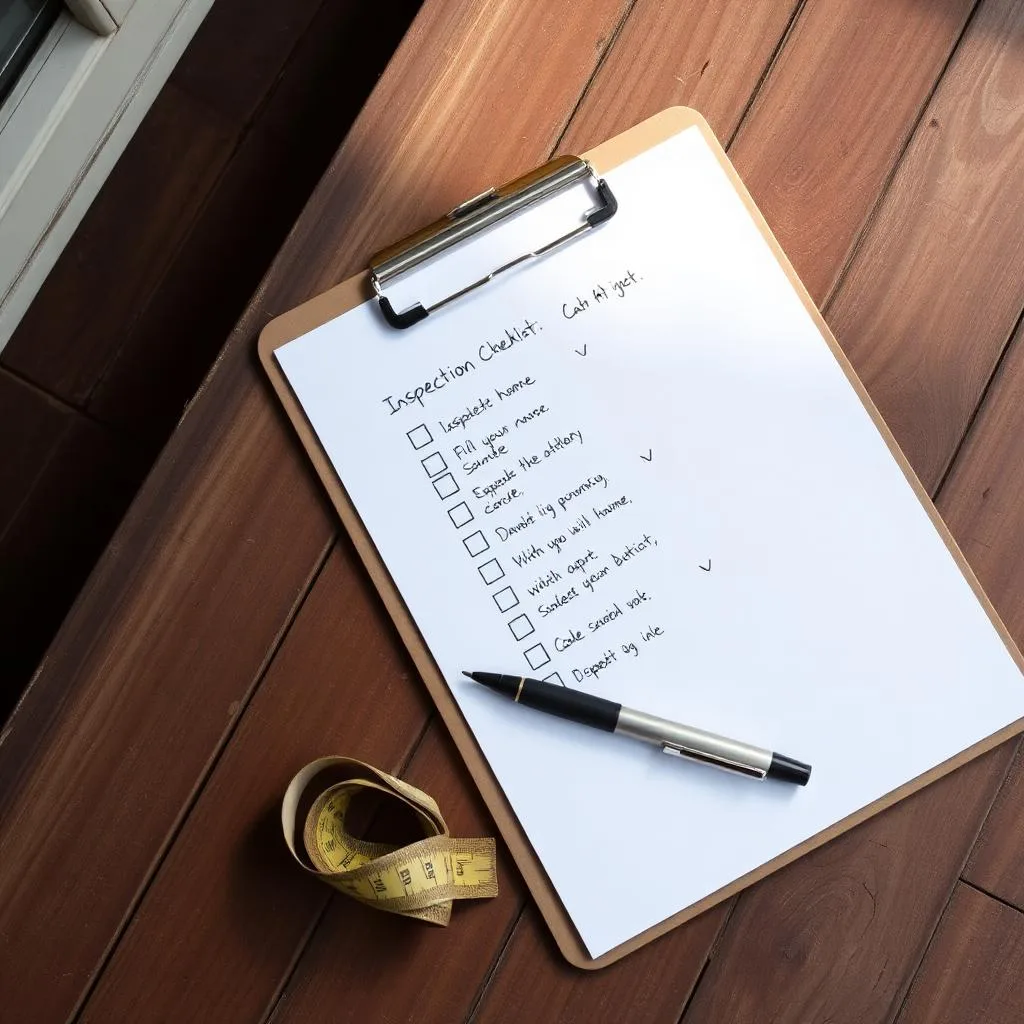
Not all building inspections are equal. This is the full 40-point checklist a compliant, AS 4349 inspection should cover — from footings and drainage to roof void and smoke alarms. Use it to grade the report you receive.
How to use this checklist
This is the working checklist a Pest & Building Inspections Australia inspector uses on a standard Sydney pre-purchase inspection. It is not a substitute for a professional report — you cannot legally rely on your own walk-through when you sign a contract — but it is a strong pre-screen. Use it at the second open home to decide whether the property is worth paying for a full inspection at all.
Take a torch, your phone camera, a screwdriver (for probing suspect timber only where the agent permits), and a printed copy of this list. Photograph anything unusual. If in doubt, note it and ask your inspector to specifically address it in the report.
The exterior
External walls, cladding and render checked for cracking, movement, spalling and delamination. Cracks wider than 1mm, running in a diagonal or step pattern, or that pass through both mortar and brick, warrant a professional assessment — they can indicate footing movement rather than cosmetic shrinkage.
Foundations and footings assessed for signs of settlement, subsidence or heave. Site drainage graded away from the building? Downpipes discharging clear of the slab, ideally to a stormwater connection rather than dumping at the foundation? Retaining walls sound and not bulging, leaning or weeping?
Windows and doors operating freely (a stuck door is often the first sign of structural movement, not just a seasonal swell). Eaves and fascia checked for rot, water staining and pest entry. Termite management systems present and undisturbed at the perimeter.
The roof — inside and out
External roof covering inspected for lifted tiles, corroded metal, failed pointing and flashing defects. Gutters and box gutters checked for correct fall, blockages and rust — a full gutter is a leaking gutter, and a leaking box gutter is one of the most expensive water-damage sources in a two-storey Sydney home.
Skylights and penetrations sealed. Antenna mounts, solar mounts and air-conditioning penetrations all sealed and flashed correctly. Ridge caps sitting flat and not lifted.
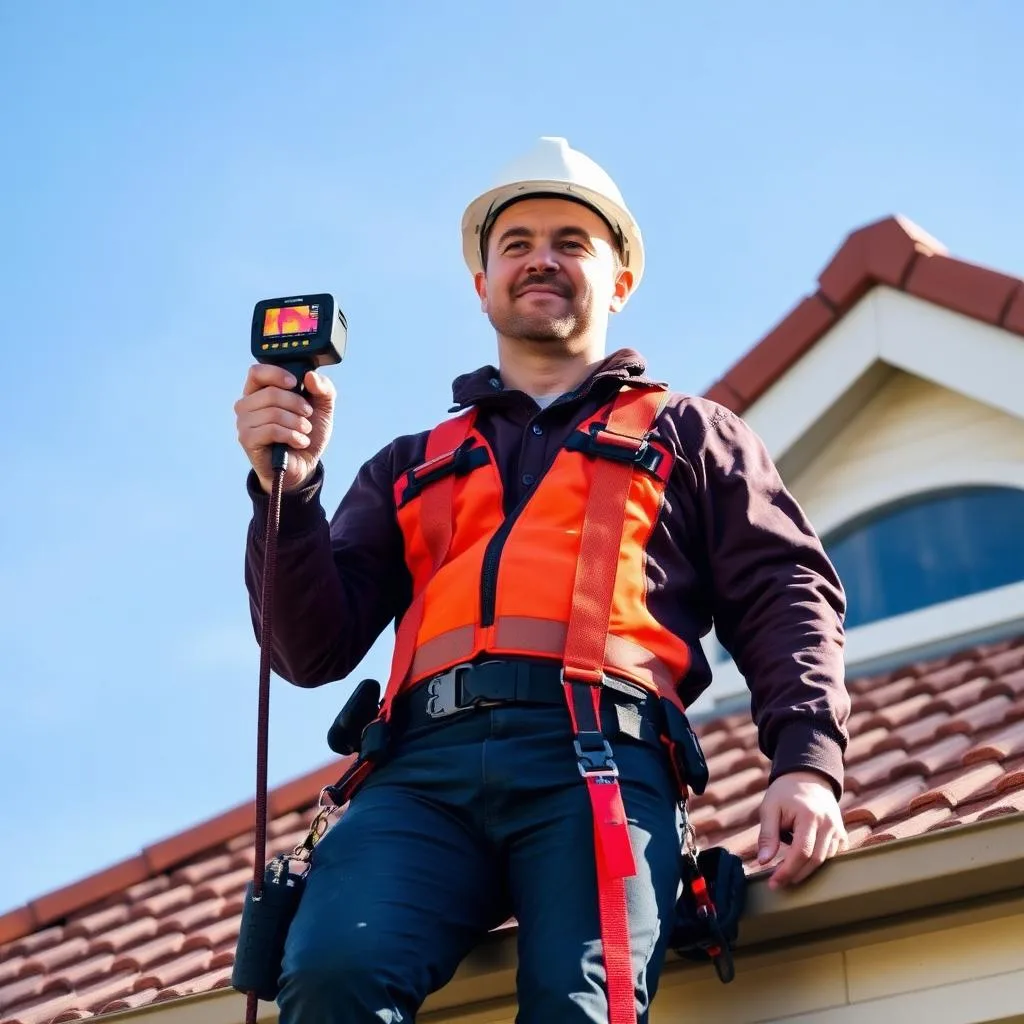
Roof void entered wherever accessible: framing checked for termite mudding, timber decay, previous fire damage, past leak staining, insulation coverage, and any concealed alterations that lack engineering. Look up under a torch for daylight coming through — a single point of daylight is a single point of water entry.
Wet areas and moisture — the number one buyer surprise
Every wet area (bathrooms, ensuites, laundry, kitchen) moisture-tested behind and beside the shower, around bath skirts, under sink cabinets and along external walls behind tapware. Waterproofing failures are one of the top three most expensive post-settlement defects and are almost invisible without a moisture meter or thermal imager.
Silicone integrity, tile grout, floor waste operation, and shower screen seals all checked. Flexible movement joints present at wall-to-floor junctions in tiled showers? Any recent re-grouting or re-caulking? Cosmetic touch-ups often cover a leak the vendor knows about.
In apartments, moisture behind the shower is the number-one source of common-property disputes. If the moisture reads high, that is a special-levy risk, not just a repair.
Sub-floor
Sub-floor entered wherever safely accessible: ventilation adequate (unblocked vents on at least two walls), no ponding water, no active leaks from plumbing, timber flooring and bearers dry and pest-free, brick piers plumb and not deteriorated, and no evidence of previous termite activity or fungal decay in bearers, joists or floorboards.
Look for stored building materials sitting directly on the ground — a common conducive condition for termites. Also look for signs the sub-floor has been used as informal storage for the last twenty years; that usually correlates with reduced ventilation and hidden moisture.
Timber pests — the reason for the pest half of the report
Active termites, previous termite damage, borers and fungal decay assessed in every accessible timber element. Conducive conditions (moisture, timber-to-ground contact, subterranean galleries, ventilation) documented so you understand ongoing risk, not just current infestation.
The pest report classifies risk in three ways: evidence of past activity, evidence of current activity, and conducive conditions for future activity. All three matter. Past damage tells you the structure may already be compromised; current activity tells you treatment is urgent; conducive conditions tell you what the ongoing management cost will be after you buy.
Related on Pest & Building Inspections Australia
Safety and compliance
Smoke alarms present and correctly located (every bedroom and hallway in most NSW dwellings post-2022). Pool fencing compliance-checked to the current AS 1926 standard — gate self-closing and self-latching from any position, no climbable objects within the non-climbable zone. Balustrades to correct height (1m residential minimum) with the right gap dimension (max 125mm sphere).
Any obvious electrical hazards (exposed conductors, missing switchboard covers, obvious DIY wiring at power points), unapproved renovations (an extra bathroom, an enclosed patio, a converted garage) or non-compliant additions flagged for further investigation by the appropriate trade or a Council DA search.
The bits people always forget
The garage and any garden shed. These are usually where you find the most obvious termite damage, unpermitted electrical work, and asbestos sheeting. Inspect them properly, not last.
The hot water system. Age, condition, warranty stickers and location. A rusting 15-year-old electric storage tank sitting inside a laundry cupboard is a $2,500+ replacement due imminently.
The switchboard. Modern circuit breakers with RCD (safety switch) protection, or old ceramic fuses? An unmodernised switchboard is not a defect, but it is a real cost and often a lender or insurer concern.
The stormwater. Where does the water go once it leaves the downpipes? Trace the pipes to a legal point of discharge. Blocked or disconnected stormwater is one of the leading causes of sub-floor moisture in Sydney terraces.
Report quality — what to expect back
Every finding photographed. Every finding ranked by urgency — Major (act before purchase), Minor (act after settlement) or Maintenance (ongoing). Indicative repair cost bands provided so you can convert the report into a negotiation position or a walk-away decision.
A summary page at the front that a solicitor or partner can read in three minutes and understand your risk. A detailed body of evidence behind it. A clear statement of what was and was not accessible on the day, so the scope is defensible.
If any of those are missing, the report is not doing its job — go back to the inspector and ask for it, in writing, before you rely on the document to sign or walk away from a contract.
Using the report as a negotiation tool
A good report is not just a decision aid — it is negotiation leverage. Group findings into three buckets for your agent conversation: 'must fix before settlement', 'price adjustment', and 'noted for the future'. Attach the report page numbers and cost bands to each item.
Vendors resist vague requests and respond to specific, evidenced ones. 'The moisture reading behind the ensuite shower is 42% on page 14, indicative repair cost $6,500–$9,000' is a very different negotiation from 'we're worried about the bathroom'. The report converts anxiety into numbers, and numbers move price.
Explore our core inspection services & Sydney regions
Jump straight to the pillar page that matches your situation — every guide, service and suburb page on Pest & Building Inspections Australia connects back to these.
CORE INSPECTION SERVICES
- Building inspection cost Sydney (2026 pricing)
Transparent 2026 price ranges + instant fixed-quote cost calculator.
- Combined building & pest inspections in Sydney
Structural + timber-pest in one visit, AS 4349.1 & 4349.3.
- Pre-purchase building inspections
Cooling-off ready reports — same day where possible.
- Termite & timber-pest inspections
Thermal + moisture-metered checks across every Sydney postcode.
- New-build & handover inspections
PCI, handover and staged inspections for new Sydney homes.
SYDNEY REGIONS WE COVER
POPULAR SUBURB INSPECTION PAGES
- Building Inspections Sydney CBDSydney Metro
- Building Inspections ParramattaWestern Sydney
- Building Inspections PenrithWestern Sydney
- Building Inspections LiverpoolWestern Sydney
- Building Inspections BlacktownWestern Sydney
- Building Inspections ChatswoodNorth Shore
- Building Inspections North SydneyNorth Shore
- Building Inspections BondiEastern Suburbs
- Building Inspections ManlyNorthern Beaches
- Building Inspections Castle HillHills District
- Building Inspections CronullaSutherland Shire
- Building Inspections CampbelltownWestern Sydney
Frequently asked questions
How quickly can you inspect a property in Sydney?+
In most cases we can attend within 24–48 hours of booking, with same-day inspections often available across Sydney metro when arranged by 10am.
Are you independent?+
Yes. Pest & Building Inspections Australia operates independently — our reports are evidence-based and written to give you a clear, impartial picture of the property so you can make a confident decision.
Do you follow Australian Standards?+
Every inspection is carried out to AS 4349.1 (building) and AS 4349.3 (timber pests). All inspectors are fully licensed, insured and carry $20M professional indemnity cover.
Book an inspection that covers everything on this checklist
Booking takes under a minute. Reports within 48 hours where possible.
Fixed price in 60 seconds · Reports within 48 hours · Fully independent