
New Build Defects in Sydney: The 12 Categories We Find on Every Handover
Why final payment is the single most important leverage moment in a new build.
 Written by Rod Ismail, Principal Building & Pest InspectorReviewed by Rod Ismail 13 min readPublished 1 July 2026 · Last verified 1 July 2026
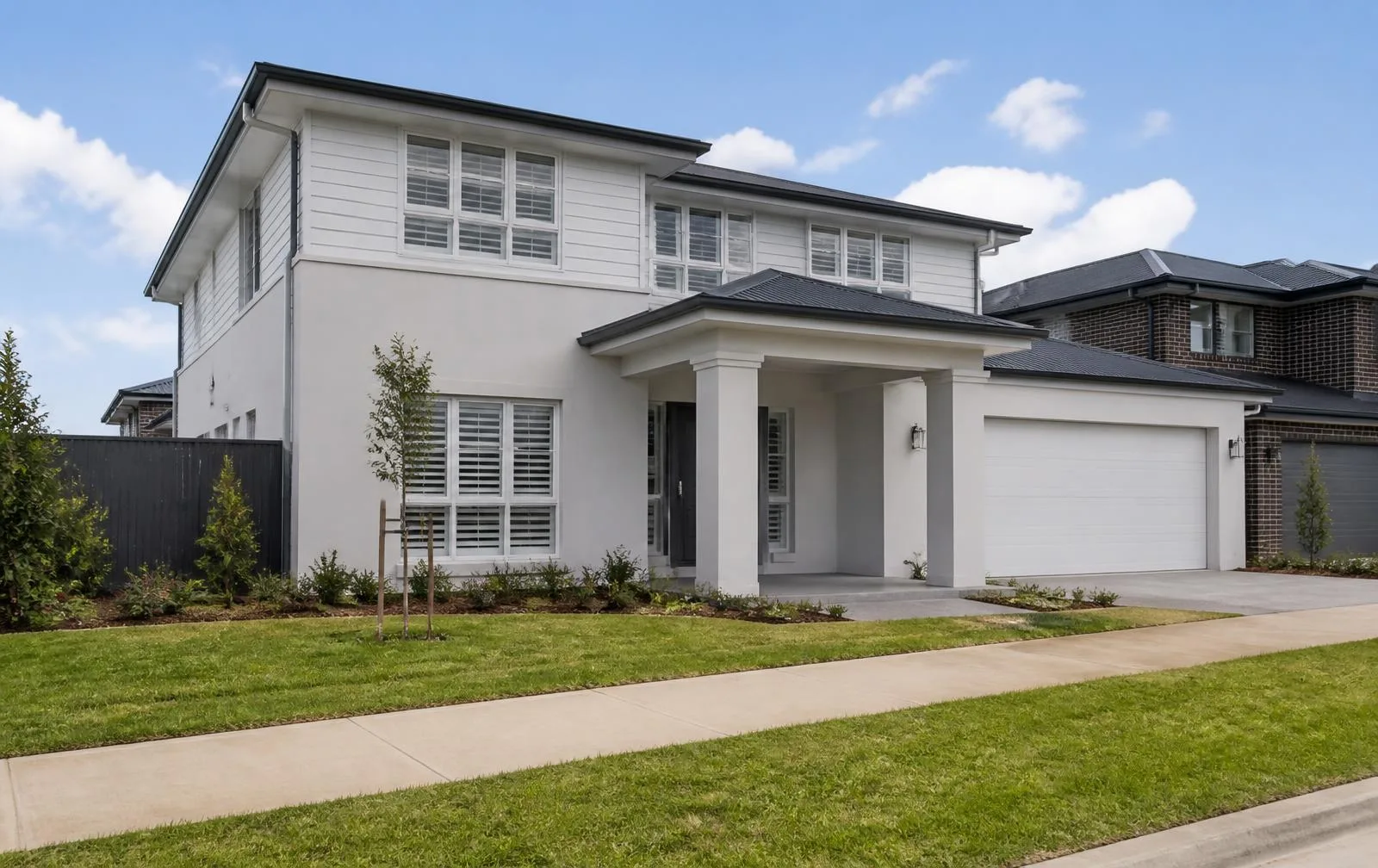
A brand new Sydney home is not defect-free. The average PCI report we write on a Sydney project home documents 45–80 items. This guide walks the 12 defect categories we find every week and the stage-inspection strategy that catches them early.
The uncomfortable truth about new Sydney homes
Handover inspections on brand-new Sydney project homes routinely find 30 to 120 defects per property. That is not a rare, unlucky outcome — it is the median. Across 400+ PCI (Practical Completion Inspection) reports we have written in the past 24 months, the average number of documented items has sat between 45 and 80, depending on the builder.
This surprises new buyers, because 'brand new' intuitively feels like 'defect free'. It is not. Volume project builders are working to tight margins, high volumes and a subcontracted trade workforce. Some defects are trivial — a paint touch-up, a missing sealant bead. Others are serious — waterproofing shortcuts, framing errors, roof-tile bedding failures, incorrect articulation joints. A PCI inspection separates the two categories, and — critically — captures both in writing before you make final payment.
Why final payment is the leverage point
Under HIA and MBA standard-form residential building contracts, final payment is due at Practical Completion. Once final payment is made and you take possession, the builder's motivation to return and rectify defects drops to near zero. Their contractual obligation continues under the statutory warranty regime (Home Building Act 1989 NSW, 6 years major defects / 2 years non-major), but the practical enforceability of that warranty depends entirely on you documenting the defects at handover.
The single most valuable moment in a new-build purchase is the window between the builder declaring Practical Completion and you signing off. In that window you have a defects list, unpaid money, and a builder who wants to get paid. After that window you have a defects list, no unpaid money, and a builder whose site manager has already moved to the next job.
The 12 defect categories we find on almost every new build
1. Roof-tile bedding and pointing defects. Cracked or missing mortar bedding, poorly-formed valley joints, tiles not seated on the batten. These become leaks in the first big Sydney storm. Cost to rectify at handover: builder responsibility. Cost to rectify at year 3: $2,800-$6,500.
2. Waterproofing membrane failures in wet areas. Missing membrane behind hobs, incorrect fall to floor waste, membrane not turned up walls to the required height under AS 3740. This is the single most common category of major defect on Sydney new builds, and the one most likely to progress into a bathroom re-fit inside 3 years.
3. Shower and bath silicone / grout gaps. Trivial to fix at handover, expensive at year 5 when moisture has been tracking behind the tiles for 4 years.
4. Window and door alignment. Doors not latching cleanly, windows not sealing, weep holes blocked with mortar. Weep holes matter — they are the drainage path for the cavity behind brick veneer, and they are termite-inspection points.
5. Plaster and cornice defects — cracked joints, poorly-set cornices, nail pops. Some are cosmetic. Cracks that follow the line of a doorway or window can indicate framing movement and should be photographed and re-inspected at 12 months.
6. Paint finish defects — brush marks, holidays, poor cutting-in, over-spray on hardware. High volume of these on every project home; genuinely trivial to fix but should be documented.
7. Framing and structural — missing noggins, bowed studs, incorrect nail patterns, missing bracing. This is the category where an inspector's tools earn their fee. A moisture meter, thermal camera and a torch in the roof void will find framing errors invisible to a walk-through.
8. Electrical — mis-labelled circuits, incorrect switch heights, missing safety switches on final subcircuits, ceiling downlights installed against insulation. The last one is a genuine fire risk under AS 3999.
9. Plumbing — hot/cold reversed at tapware, incorrect water-hammer arrestors, missing tempering valve certificates, hot-water system in wrong location for warranty compliance.
10. Insulation — batts poorly installed with gaps at wall plates, downlight covers installed incorrectly, roof-cavity insulation compressed. Directly affects thermal performance and NCC compliance.
11. External — driveway falls, path junctions, unfinished sealant lines, missing weep-hole vents, unfinished garage door adjustment, missing sarking laps.
12. Site works — landscaping fall away from slab, articulation joint clearances, downpipe discharge locations, path clearance below weep holes. Multiple items in this category are also the primary termite-risk zones.
The stage inspection strategy
The cheapest defect is the one caught while the trade is still on site. Independent stage inspections during construction (slab, frame, lock-up, fixing, PCI) cost more in total ($1,900-$2,400 bundled) than a single handover inspection, but they catch problems while the fix is trivial rather than after everything has been covered over.
The slab inspection checks steel placement, penetration boxing, termite barrier installation, formwork dimensions and the slab bedding profile — before the concrete goes in. The frame inspection is arguably the highest-value stage: this is your only chance to see the timber frame naked, before it is sarked, insulated and lined. Any framing error that survives the frame inspection lives in your house for the next 60 years.
The lock-up and fixing stages catch waterproofing, insulation, plaster setting and wet-area substrate issues. PCI is the final leverage moment before handover.
How the defect list translates into money
A well-written PCI report is not just a photo book. It categorises every item by severity (Major / Minor / Cosmetic), references the relevant standard or contract clause, and — crucially — is written in the language of the standard-form building contract so your solicitor and the builder's warranty team can process it.
In our experience, roughly 85% of documented items on a Sydney PCI report are rectified by the builder before you take possession, at zero additional cost to you. The remaining 15% either become 90-day post-handover items (documented in the DLP — defects liability period) or become disputes.
If the builder disputes, your report is the primary evidence in a NSW Fair Trading complaint or, ultimately, an NCAT proceeding. A report that was written to standard-form language, with photos, dates, standard references and a signed inspector's declaration, is materially stronger evidence than a homeowner's phone photos with 'this doesn't look right' captions.
What builders will and won't push back on
Won't push back on: cosmetic paint, silicone gaps, cornice touch-ups, minor plaster, minor tile grout, weep-hole clearance. These are cheap and quick, and their site manager wants them off the list.
Will push back on: any item that requires opening up a wall, lifting tiles, or bringing back a subcontractor who has already been paid off. Waterproofing membrane failures behind hobs, missing framing bracing behind lined walls, and roof-frame issues under a sarked roof are all in this category.
This is exactly why the frame and lock-up stage inspections exist. Catching a waterproofing shortfall at frame stage costs the builder nothing to fix; catching the same shortfall at handover costs them a bathroom re-tile, and they will fight it. The report that pre-empts the fight is worth more than the report that has to win it.
Related on Pest & Building Inspections Australia

The 90-day defects liability period
Every standard-form NSW residential building contract includes a 90-day (or in some contracts 120-day) defects liability period after handover. During this window, the builder must return and rectify documented defects at no cost. After this window closes, non-major defects fall out of the standard rectification obligation and become discretionary.
The single most important habit in the first 90 days is to walk your new home methodically, every week, with the PCI report in hand. New defects will appear — cracks in cornices where the frame moves and settles, doors that stop closing as timber acclimatises, downpipes that turn out to discharge in the wrong direction the first time it properly rains. Document all of these, in writing, before day 90.
A 90-day re-inspection by your original inspector is a $220-$320 spend that routinely catches $5,000-$15,000 of items builders would otherwise let slide.
Statutory warranty — what actually survives past day 90
Under the Home Building Act 1989 (NSW), residential building work carries a statutory warranty of 6 years for 'major defects' and 2 years for all other defects, running from the completion date. A 'major defect' is defined tightly: it must (broadly) render the building uninhabitable, cause imminent collapse of a load-bearing element, or make a habitable room unusable.
Everything else falls into the 2-year window. Miss the 2-year mark and you no longer have a statutory route to enforcement — you must fund the repair yourself.
The practical implication is straightforward: book an independent 24-month re-inspection at month 22, before the 2-year non-major warranty expires. This is the last cheap opportunity to convert a defective element into a builder's problem rather than yours. In our booking data, a 24-month inspection returns approximately 25-40x its cost in enforced warranty rectifications.
The three questions to ask before you sign the contract
1. What is my right of access to the site during construction? Some builders resist independent stage inspections. The contract needs to explicitly permit them or they can be denied on-site.
2. What is the process for documenting PCI defects, and how many days after PCI does the builder have to rectify before handover? Vague answers here are a warning sign.
3. What is the length of the defects liability period, and what is the process for submitting DLP items? A responsive builder will give you a written process and an email address on day one.
If a builder is uncomfortable with any of these three questions before you sign, they will be dramatically more uncomfortable with them after you have signed. Ask now.
Final word
A brand new Sydney home is not defect-free. It never has been. What separates the owners who spend the next decade fighting their builder from the owners who quietly enjoy their home is a small set of disciplines: independent stage inspections during construction, a professional PCI report before final payment, a 90-day re-inspection, and a 24-month warranty re-inspection.
Total cost for the full package on a project home in Sydney: $2,600-$3,400. Total value of the defects those inspections typically capture and rectify at the builder's cost: $18,000-$60,000+. It is one of the highest-leverage spends in the entire homebuying process.
Explore our core inspection services & Sydney regions
Jump straight to the pillar page that matches your situation — every guide, service and suburb page on Pest & Building Inspections Australia connects back to these.
CORE INSPECTION SERVICES
- Building inspection cost Sydney (2026 pricing)
Transparent 2026 price ranges + instant fixed-quote cost calculator.
- Combined building & pest inspections in Sydney
Structural + timber-pest in one visit, AS 4349.1 & 4349.3.
- Pre-purchase building inspections
Cooling-off ready reports — same day where possible.
- Termite & timber-pest inspections
Thermal + moisture-metered checks across every Sydney postcode.
- New-build & handover inspections
PCI, handover and staged inspections for new Sydney homes.
SYDNEY REGIONS WE COVER
POPULAR SUBURB INSPECTION PAGES
- Building Inspections Sydney CBDSydney Metro
- Building Inspections ParramattaWestern Sydney
- Building Inspections PenrithWestern Sydney
- Building Inspections LiverpoolWestern Sydney
- Building Inspections BlacktownWestern Sydney
- Building Inspections ChatswoodNorth Shore
- Building Inspections North SydneyNorth Shore
- Building Inspections BondiEastern Suburbs
- Building Inspections ManlyNorthern Beaches
- Building Inspections Castle HillHills District
- Building Inspections CronullaSutherland Shire
- Building Inspections CampbelltownWestern Sydney
Frequently asked questions
How quickly can you inspect a property in Sydney?+
In most cases we can attend within 24–48 hours of booking, with same-day inspections often available across Sydney metro when arranged by 10am.
Are you independent?+
Yes. Pest & Building Inspections Australia operates independently — our reports are evidence-based and written to give you a clear, impartial picture of the property so you can make a confident decision.
Do you follow Australian Standards?+
Every inspection is carried out to AS 4349.1 (building) and AS 4349.3 (timber pests). All inspectors are fully licensed, insured and carry $20M professional indemnity cover.
Book your PCI / handover inspection before final payment
Booking takes under a minute. Reports within 48 hours where possible.
Fixed price in 60 seconds · Reports within 48 hours · Fully independent