The Most Common Defects in Sydney Homes (and What They Cost to Fix)
Five defect categories account for 80% of the material findings we write each week.
 Written by Rod Ismail, Principal Building & Pest InspectorReviewed by Rod Ismail 12 min readPublished 1 July 2026 · Last verified 1 July 2026
After thousands of Sydney inspections, defect patterns become predictable by suburb, decade of construction and typology. This guide walks the five categories that dominate the reports we write — and translates each into 2026 remediation cost bands you can use to negotiate.
The five defect categories every Sydney inspector sees weekly
After thousands of Sydney inspections, defect patterns become predictable by suburb, by decade of construction and by construction typology. The same five categories dominate the report volume: (1) waterproofing failures, (2) footing and structural movement, (3) roof and gutter failures, (4) timber pest damage and conducive conditions, (5) electrical and plumbing non-compliance. Between them these five categories account for roughly 80% of the material findings we document each week.
This guide walks each one in detail: what the defect looks like, what causes it, what it costs to remediate, and — for buyers — what an appropriate price adjustment looks like when the defect is flagged in a pre-purchase report.
Waterproofing failures — the silent budget killer
Waterproofing membranes in wet areas have an expected service life of 15-25 years under AS 3740. Sydney's housing stock includes vast amounts of 1980s and 1990s brick veneer with original bathroom membranes now well past end of life. Failure is progressive: first the sealant at the shower hob cracks, then moisture tracks under the tile bed, then it reaches the wall frame, and within 2-3 years the timber studs behind the tiles are wet, weak and — this is Sydney — attractive to termites.
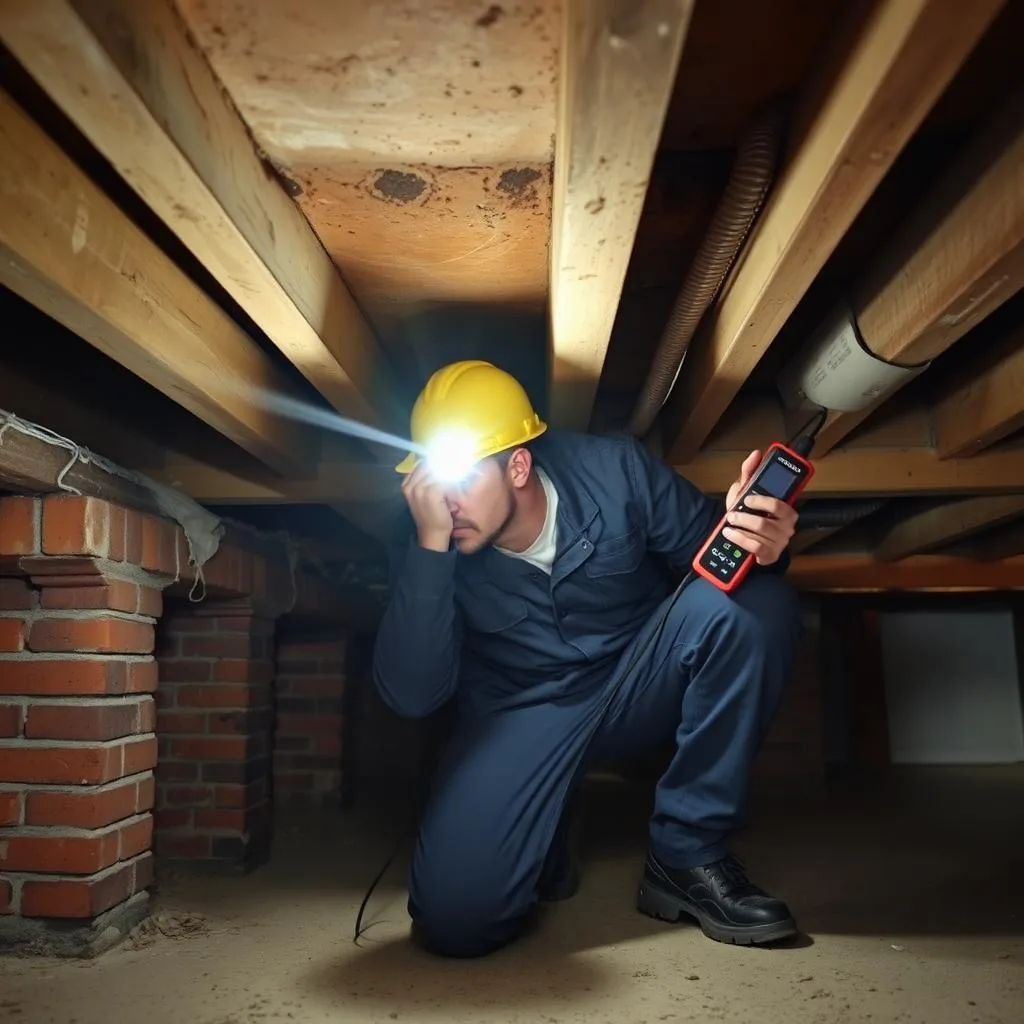
Visible symptoms: swollen skirting boards outside a bathroom wall, blistered paint on the opposite wall, tiles that sound hollow when tapped, dark grout lines that never dry, musty odour in the ensuite, or timber staining visible from the sub-floor directly under a wet area.
Remediation cost: a full shower re-fit with new waterproofing runs $6,500-$14,000 per bathroom in Sydney (2026). Full bathroom refurbishment where the wall frame has been affected: $18,000-$35,000. A pre-purchase report identifying one failed shower is a legitimate $8,000+ price-negotiation lever.
Footing and structural movement
Sydney sits on a mix of reactive clay soils (western suburbs, Cumberland Plain), sandstone shelf (harbour ring and eastern suburbs), sand (Northern Beaches and Botany Bay), and alluvial deposits (rivers and creeks). Each behaves differently. Reactive clay expands and contracts with moisture — heaving up in wet years and shrinking away from footings in dry years. Sandstone is stable but variable in depth. Sand moves under vibration. Alluvial fills settle for decades.
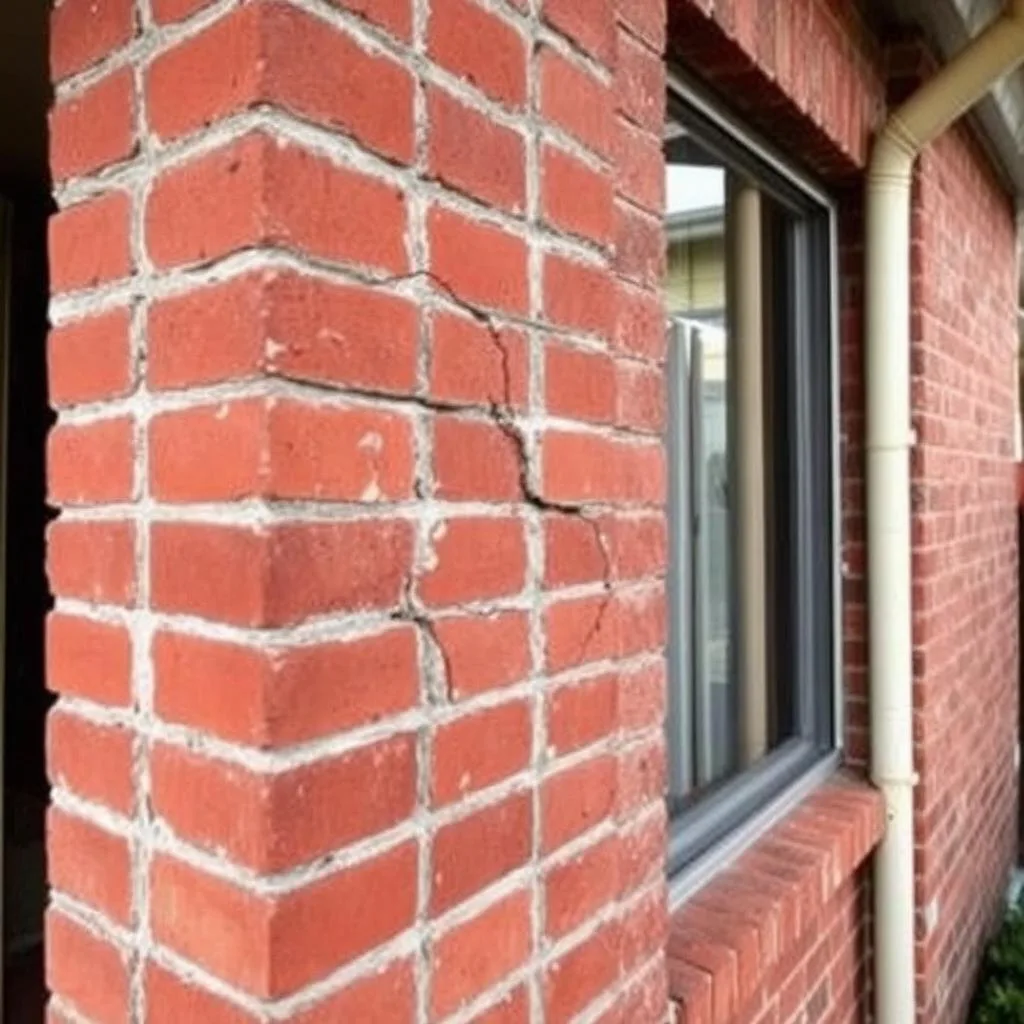
The symptoms are surprisingly consistent across soil types: diagonal cracking radiating from window and door corners, doors that stop latching cleanly, tiled floors with cracked grout following straight lines across a room, hairline cracks in cornices along a single wall, and sloping floor levels detectable with a marble.
Not every crack is a footing issue. Sydney homes flex naturally with seasonal moisture and any brick veneer will show hairline cracking over its life. The inspector's job is to distinguish cosmetic movement (paint over it) from active differential settlement (call the structural engineer). Cracks wider than 5mm, cracks that step-pattern through brickwork, and cracks that have re-opened after previous repairs are the ones that matter.
Remediation cost: sealing and monitoring — under $500. Partial underpinning of one corner: $12,000-$25,000. Full perimeter underpinning: $45,000-$85,000+. This is the highest-consequence defect category by a significant margin and the one most commonly missed by inexperienced inspectors.
Roof and gutter failures
Colorbond roofs in Sydney have a realistic service life of 30-40 years. Concrete tile roofs, 45-60 years. Terracotta tile roofs, 60-80+ years — but with mortar bedding that fails at 25-30 years and needs re-bedding and re-pointing.
Gutters are the shorter-life element on almost every Sydney roof. Galvanised gutters from the 1970s-1990s are now heavily corroded. Colorbond gutters installed in the 2000s are reaching end of service. Failed gutters overflow at the wall junction, saturate the wall cavity, and drive both waterproofing failure and termite risk. Roughly 60% of Sydney homes we inspect need gutter replacement or major repair inside 5 years.
Remediation cost: re-bedding and re-pointing a terracotta tile roof: $6,500-$14,000. Full gutter and downpipe replacement: $4,500-$9,500. Colorbond roof replacement: $18,000-$35,000 depending on size and complexity. Full re-roof with terracotta or high-end concrete tiles: $28,000-$55,000.
Termite damage and conducive conditions
Covered in more detail in our termite guide, but summarising the pattern here: every Sydney LGA is high-risk under AS 3660.2. Roughly 1 in 4 pre-purchase inspections we conduct records either historical termite damage or high-priority conducive conditions requiring action. Active live termite finds are rarer — roughly 1 in 15-20 inspections — but they are almost always deal-changing when they occur.
The conducive-conditions section of the report is the actionable part. Landscaping built up over the damp-proof course, stored timber in ground contact, leaking taps, downpipes discharging near the slab, timber-framed decks attached to the house without inspection gaps — these are the leading indicators of the future termite finding you don't want to have.
Remediation cost: full perimeter chemical soil treatment (Termidor): $2,200-$3,800. Rectifying conducive conditions: usually a weekend of DIY plus $200-$500 in materials. Termite damage repair: covered in the dedicated guide.
Electrical and plumbing non-compliance
Sydney's older housing stock (pre-1990) frequently has electrical installations that no longer meet AS/NZS 3000. Common findings: no safety switches on final subcircuits, old rubber-insulated cabling, undersized main switchboards, downlights installed against thermal insulation (a genuine fire risk under AS 3999), and unlicensed DIY additions in laundry and garage circuits.
Plumbing non-compliance is similarly common: hot-water systems in non-compliant locations, missing tempering valves on tempered outlets (a scald risk on any modern outlet), inadequate stormwater drainage, and disused clay sewer pipes leaking into sub-floor spaces.
Remediation cost: switchboard upgrade with safety switches: $1,800-$3,200. Full re-wire of a Sydney 3-bedroom home: $9,000-$18,000. Tempering valve install: $350-$500. Storm-water reconfiguration: $2,500-$6,500. Cast-iron and clay sewer stack replacement: $6,000-$16,000.
Related on Pest & Building Inspections Australia
The 'age of the property' rule
Sydney housing splits into defect categories by era. Federation and pre-war (pre-1945): terracotta roofs with failing pointing, original clay drainage, single-brick walls without cavity, and lath-and-plaster ceilings. Post-war (1945-1970): asbestos-containing materials (eaves, wall sheets, fibro roofs), older switchboards, and end-of-life galvanised plumbing. 1970s-1990s brick veneer: waterproofing failure, footing movement in clay areas, original bathrooms at end of life, and heavy termite pressure.
Post-2000 project builds: workmanship defects, waterproofing shortcuts, framing errors, roof-tile bedding issues, and site-works falls that create termite conditions. Every era has a signature defect profile. A good inspector reads the property's era first and then goes looking for the defects the era predicts.
How to read the report — the severity legend
A well-written Sydney inspection report categorises every finding by severity, and buyers should read the legend before the findings. Standard AS 4349.1 language: Major Defect (structural, safety, or affecting habitability — requires immediate action), Minor Defect (should be addressed but not urgent), Maintenance Item (normal wear and tear), and Conducive Condition (does not yet constitute a defect but creates elevated risk of a future defect).
The dollar impact scales roughly with severity, but not exactly. A 'minor defect' of failed silicone in a shower is $50 to fix; the same silicone failure ignored for 3 years becomes a $12,000 major defect. That is why maintenance items and minor defects deserve real attention — they are the cheap-to-fix precursors of expensive future problems.
Turning defects into a negotiation
For each material finding, the report should provide an indicative remediation cost band. Add these up. The sum is the raw negotiation position — this is what the property will cost to bring to the standard a defect-free property would already be at.
In private-treaty sales inside cooling-off, this becomes the price reduction ask. Your solicitor writes to the vendor's solicitor with the report attached and a proposed adjustment. Vendors accept genuinely-substantiated adjustments perhaps 60-70% of the time in the current Sydney market. If they refuse and the findings are material, rescind and walk away — cooling-off exists for exactly this purpose.
In auction purchases, the same sum reduces your effective bidding ceiling. If the property has $32,000 of remediation, and the market clearing price for the same property in clean condition is $1.85M, your bidding ceiling on this property is $1.818M. Any bidder without the report will bid past that number and overpay. That is your edge.
Final word
The purpose of a Sydney building inspection is not to produce a pass/fail grade. Almost no Sydney property is defect-free; that is not the standard the report is measured against. The purpose is to give you a complete, prioritised list of what is wrong, what it will cost, and what needs immediate attention — so you can decide whether the price you're paying reflects the property you're actually buying.
Read the report. Ask about severity. Ask about cost bands. Ask about repair urgency. Then decide.
Explore our core inspection services & Sydney regions
Jump straight to the pillar page that matches your situation — every guide, service and suburb page on Pest & Building Inspections Australia connects back to these.
CORE INSPECTION SERVICES
- Building inspection cost Sydney (2026 pricing)
Transparent 2026 price ranges + instant fixed-quote cost calculator.
- Combined building & pest inspections in Sydney
Structural + timber-pest in one visit, AS 4349.1 & 4349.3.
- Pre-purchase building inspections
Cooling-off ready reports — same day where possible.
- Termite & timber-pest inspections
Thermal + moisture-metered checks across every Sydney postcode.
- New-build & handover inspections
PCI, handover and staged inspections for new Sydney homes.
SYDNEY REGIONS WE COVER
POPULAR SUBURB INSPECTION PAGES
- Building Inspections Sydney CBDSydney Metro
- Building Inspections ParramattaWestern Sydney
- Building Inspections PenrithWestern Sydney
- Building Inspections LiverpoolWestern Sydney
- Building Inspections BlacktownWestern Sydney
- Building Inspections ChatswoodNorth Shore
- Building Inspections North SydneyNorth Shore
- Building Inspections BondiEastern Suburbs
- Building Inspections ManlyNorthern Beaches
- Building Inspections Castle HillHills District
- Building Inspections CronullaSutherland Shire
- Building Inspections CampbelltownWestern Sydney
Frequently asked questions
How quickly can you inspect a property in Sydney?+
In most cases we can attend within 24–48 hours of booking, with same-day inspections often available across Sydney metro when arranged by 10am.
Are you independent?+
Yes. Pest & Building Inspections Australia operates independently — our reports are evidence-based and written to give you a clear, impartial picture of the property so you can make a confident decision.
Do you follow Australian Standards?+
Every inspection is carried out to AS 4349.1 (building) and AS 4349.3 (timber pests). All inspectors are fully licensed, insured and carry $20M professional indemnity cover.
Book an inspection that finds every one of these
Booking takes under a minute. Reports within 48 hours where possible.
Fixed price in 60 seconds · Reports within 48 hours · Fully independent