Buying an Apartment in Sydney? Yes, You Still Need an Inspection
The myth that apartments 'don't need' an inspection costs Sydney buyers a fortune.
 Written by Rod Ismail, Principal Building & Pest InspectorReviewed by Rod Ismail 11 min readPublished 1 July 2026 · Last verified 1 July 2026
There is a persistent Sydney myth that apartments don't need a building inspection because 'strata covers everything'. Strata doesn't cover your interior finishes, appliances, or waterproofing. Here's what an apartment inspection actually finds — and what it saves.
Apartments need inspecting too — often more than houses
There is a persistent Sydney myth that apartments 'don't need' a building and pest inspection because they are 'newer' and 'have strata insurance'. Both parts of the myth are wrong. A large share of Sydney's apartment stock is 15-40 years old, well past the service life of original wet-area waterproofing, and strata insurance does not cover the interior finishes, appliances, or workmanship defects in your specific lot.
In our data, defect findings per Sydney apartment inspection average 12-25 items, with a median material remediation cost band of $4,500-$14,000. That is 8-25x the cost of the inspection, and it is money the strata has no reason to cover for you.
The seven zones the inspector actually looks at inside an apartment
1. Wet areas — bathrooms, ensuites, laundries, kitchen splashback. Waterproofing failure symptoms, tile bed integrity, tap and outlet condition, grout and silicone condition, floor waste function and fall.
2. Balcony — cracking, waterproofing membrane, drainage, balustrade compliance, floor-to-slab transition. Balcony waterproofing is one of the top three defect categories in Sydney apartments 2000-2015.
3. Kitchen — appliance condition and age, bench and splashback, plumbing under sink, cabinet condition.
4. Windows and doors — glazing condition, sliding-door tracks and rollers, seals, window operation, security screens.
5. Electrical — switchboard, safety switches, GPO condition, ceiling downlight installation, smoke alarms.
6. HVAC — split system age and service history, ducted system condition where present, exhaust fan function.
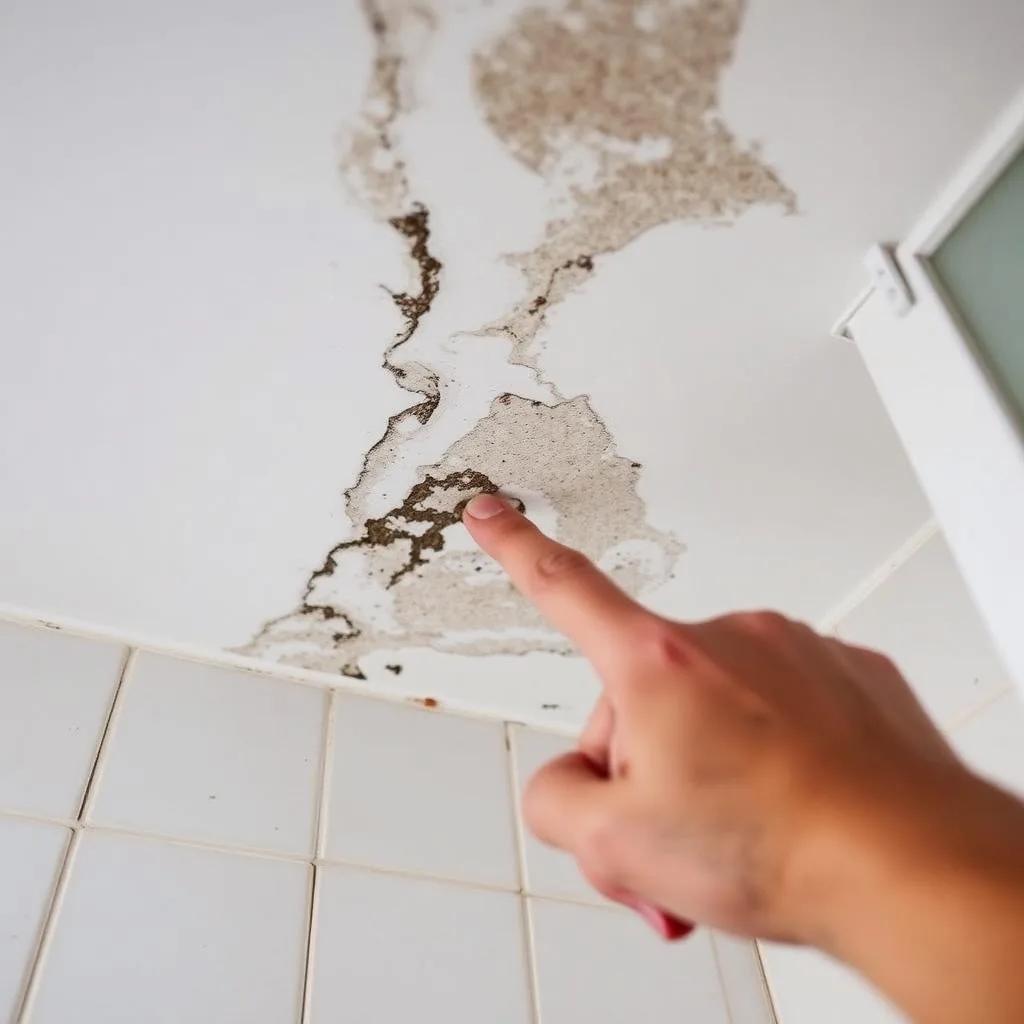
7. Internal finishes — plaster and cornice condition (especially cracks along ceiling / wall junction indicating slab movement), floor coverings, doors and hardware.
The three zones the inspector cannot reach, and what to do about them
Common property. The inspector cannot enter neighbouring lots, common corridors and mechanical rooms beyond the lot boundary. Coverage of these zones sits in the strata records inspection.
Structural slab and core. Post-tensioned concrete slabs, columns and shear walls are common property, and their condition is assessed at building level, not by a lot inspection.
External facade above the balcony. Cladding, facade waterproofing, and exterior finishes. Covered by strata's cyclical inspections and any active defect proceedings — read the strata report.
Age of building — the defect signature
Pre-1990 apartments: original wet-area waterproofing is well past service life; cast-iron waste stacks and copper hot-water lines at end of life; original electrical often needs full switchboard upgrade; asbestos-containing materials common in older splashbacks, eaves and vinyl flooring.
1990-2000 apartments: reasonable-quality concrete builds, but bathroom and kitchen finishes are now genuinely aged. Waterproofing typically due or overdue.
2000-2015 apartments: the notorious era. Rapid volume construction under a builder-friendly regulatory regime produced a great many apartments with waterproofing shortcuts, balcony defects, and combustible cladding issues. Strata report is critical.
2016+ apartments: post-Opal Tower regulatory response. Better construction on average, but developer risk remains. Look at the specific builder and developer's track record.
Cost of an apartment inspection in Sydney
Standalone AS 4349.1 building inspection of a Sydney apartment: $350-$500. Combined AS 4349.1 + AS 4349.3 pest inspection: $420-$580. Strata records inspection: $220-$320. Combined package (all three): $550-$780.
Pest inspections on apartments are lower priority than on freestanding homes but not zero — ground-floor apartments, apartments adjacent to garden beds, and apartments in mixed-use buildings with restaurant tenancies below all carry elevated risk. If the apartment is above the first floor and the building is concrete-frame, a standalone building inspection is usually sufficient.
The three most common negotiation levers on apartment inspections
1. Shower waterproofing at or past end of life. Full shower re-fit: $6,500-$12,000 in an apartment (higher than a house because access and disposal are harder). This is a legitimate price-adjustment number.
2. Balcony cracking and waterproofing failure. Where the balcony slab is lot property, remediation is on you: $4,500-$12,000 for a standard 8-15m² balcony. Where the balcony slab is common property, this is a strata cost, but pending special levy exposure is disclosed in the strata report.
3. Appliance end-of-life. Kitchen appliances more than 10 years old will need replacement inside 3-5 years. Full kitchen appliance replacement (oven, cooktop, dishwasher, rangehood): $4,500-$9,000. Not always a negotiation lever, but a legitimate budget line for the first two years of ownership.
Related on Pest & Building Inspections Australia
The 'agent said the apartment is spotless' problem
Freshly-painted, professionally-staged, styled-for-Instagram apartments look flawless at open homes. That is exactly what the styling is for. The purpose of an inspection is to see past the styling to the physical condition of the underlying building fabric.
Common findings we routinely make in 'spotless' apartments: freshly-painted-over water staining in laundry ceilings from upstairs neighbours' leaks, silicone gaps freshly caulked over failing waterproofing, styled rugs covering cracked or lifted tiles, and appliances staged to hide the fact that the dishwasher is 12 years old and about to fail.
The inspection routinely finds $4,000-$15,000 of items an open-home walk-through cannot. That is not because open-home buyers are careless — it is because they don't have thermal imaging, moisture meters, and access to inspection hatches. The inspector does.
Reading the report as an apartment buyer
The physical report structure is the same as a house report: Major / Minor / Maintenance / Conducive Conditions. What is different is that many findings will be marked 'refer to owners corporation' or 'refer to strata report'. Those are pointers to check the corresponding line in the strata records inspection.
Where the physical report and strata report align (e.g. 'balcony waterproofing failure — common property — strata is aware and remediation program funded'), you have full information and can proceed. Where they misalign ('balcony waterproofing failure — common property — no mention in strata records'), that is a significant red flag and worth a follow-up to the strata manager before you exchange.
The one thing apartment buyers routinely overlook
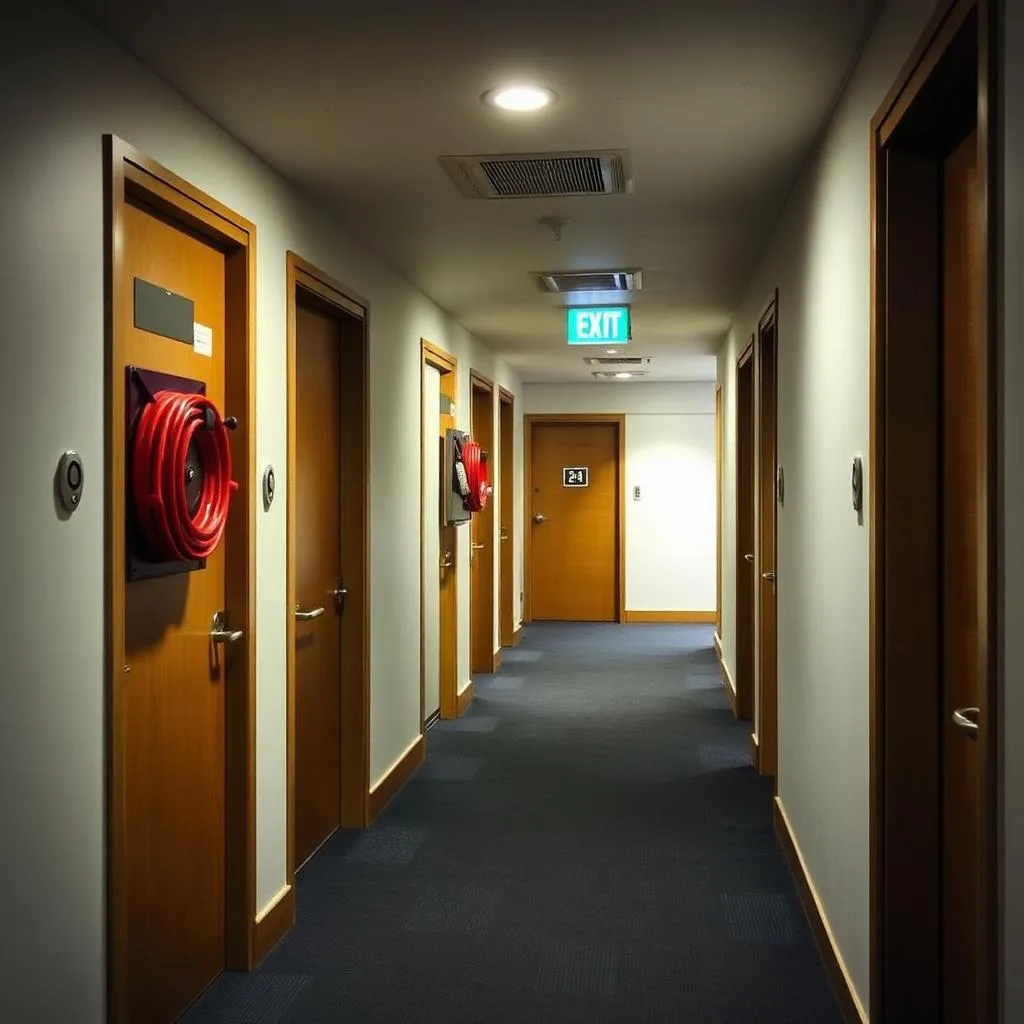
The exhaust fan and ventilation. Apartments without functional bathroom and kitchen exhaust venting build moisture into ceiling cavities, drive mould growth, and — in mixed-use buildings — allow cooking odours to migrate between lots. Exhaust fans in older Sydney apartments are frequently non-functional or discharge into the ceiling cavity rather than to atmosphere.
Cost to install proper venting to atmosphere in a mid-rise apartment ranges from $650-$1,500 per outlet and often requires strata approval to core through the facade. Worth checking before you buy.
Final word
Buy the two reports. Read them together. Match the physical findings to the strata financial position and 10-year capital works plan. Then decide.
The buyers who lose money on Sydney apartments are almost never the ones who commissioned the inspections. They are the ones who trusted the styling, the strata brochure and the agent's summary of 'levies about $1,100 a quarter, no special levies planned'. That is not information. That is marketing.
Explore our core inspection services & Sydney regions
Jump straight to the pillar page that matches your situation — every guide, service and suburb page on Pest & Building Inspections Australia connects back to these.
CORE INSPECTION SERVICES
- Building inspection cost Sydney (2026 pricing)
Transparent 2026 price ranges + instant fixed-quote cost calculator.
- Combined building & pest inspections in Sydney
Structural + timber-pest in one visit, AS 4349.1 & 4349.3.
- Pre-purchase building inspections
Cooling-off ready reports — same day where possible.
- Termite & timber-pest inspections
Thermal + moisture-metered checks across every Sydney postcode.
- New-build & handover inspections
PCI, handover and staged inspections for new Sydney homes.
SYDNEY REGIONS WE COVER
POPULAR SUBURB INSPECTION PAGES
- Building Inspections Sydney CBDSydney Metro
- Building Inspections ParramattaWestern Sydney
- Building Inspections PenrithWestern Sydney
- Building Inspections LiverpoolWestern Sydney
- Building Inspections BlacktownWestern Sydney
- Building Inspections ChatswoodNorth Shore
- Building Inspections North SydneyNorth Shore
- Building Inspections BondiEastern Suburbs
- Building Inspections ManlyNorthern Beaches
- Building Inspections Castle HillHills District
- Building Inspections CronullaSutherland Shire
- Building Inspections CampbelltownWestern Sydney
Frequently asked questions
How quickly can you inspect a property in Sydney?+
In most cases we can attend within 24–48 hours of booking, with same-day inspections often available across Sydney metro when arranged by 10am.
Are you independent?+
Yes. Pest & Building Inspections Australia operates independently — our reports are evidence-based and written to give you a clear, impartial picture of the property so you can make a confident decision.
Do you follow Australian Standards?+
Every inspection is carried out to AS 4349.1 (building) and AS 4349.3 (timber pests). All inspectors are fully licensed, insured and carry $20M professional indemnity cover.
Book your Sydney apartment inspection today
Booking takes under a minute. Reports within 48 hours where possible.
Fixed price in 60 seconds · Reports within 48 hours · Fully independent