Asbestos in Sydney Homes: What Buyers, Owners and Renovators Need to Know
How to identify, manage and safely remove asbestos in an older Sydney home.
 Written by Rod Ismail, Principal Building & Pest InspectorReviewed by Rod Ismail 11 min readPublished 1 July 2026 · Last verified 1 July 2026
Asbestos was used in almost every Sydney home built between 1945 and the late 1980s. This is not a disaster — it is a management issue. Here's how a good inspection identifies it, what remediation costs, and the legal rules for DIY removal in NSW.
How common is asbestos in Sydney housing?
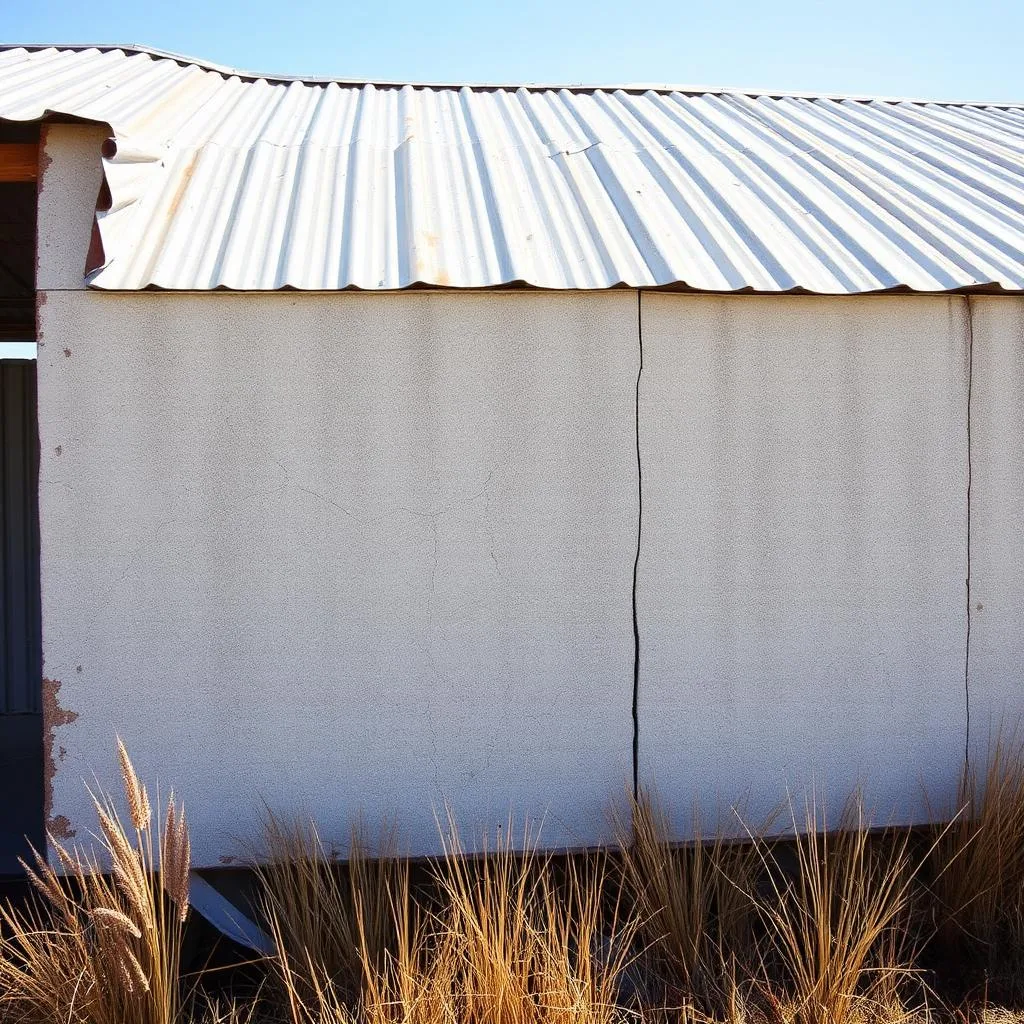
Extremely. Between 1945 and the late 1980s, asbestos-containing materials (ACMs) were used in almost every Sydney residential build. Fibro walls, eaves sheets, roof sheets, kitchen splashbacks, vinyl floor tiles, backing paper on vinyl sheeting, textured ceilings, pipe lagging, hot-water flues, meter boards and fence sheets all commonly contain bonded asbestos.
The rule of thumb Sydney inspectors use: if the property was built or renovated between 1945 and 1990, assume asbestos is present unless a clearance certificate proves otherwise. Post-2004, asbestos was completely banned in Australia — no asbestos manufacturing, import or installation is legal — but the existing stock in older homes remains, and much of it is now weathering, breaking or being disturbed by DIY renovation.
Bonded vs friable — the two categories that determine risk
Bonded asbestos (also called Class B or non-friable) means asbestos fibres are locked into a solid matrix — usually cement sheeting, vinyl or bituminous material. As long as bonded asbestos remains intact and undisturbed, the risk of fibre release is very low. It is the disturbance — drilling, cutting, sanding, breaking, high-pressure water blasting — that turns bonded ACM into an airborne hazard.
Friable asbestos (Class A) is loose, powdery or crumbles under hand pressure. Common friable ACMs include pipe lagging on old hot-water systems, loose-fill 'Mr Fluffy' insulation (rare in Sydney but present in some pockets), degraded fibro that has been weathered for 30+ years, and residues from old vermiculite insulation. Friable asbestos is genuinely high-risk and requires licensed Class A removal.
A pre-purchase inspection identifies suspected ACMs by visual assessment. It does not confirm asbestos content — that requires a NATA-accredited laboratory sample analysis, typically $65-$120 per sample. If the report flags likely ACM in a location you intend to disturb (renovation, extension, demolition), commission a proper hazardous-materials survey before the work starts.
Where we find it, and what it looks like
Eaves sheets: the underside of the roof overhang, usually painted white. On post-war brick veneer and fibro homes almost always ACM. Look for exposed fibre edges where sheets have been cut or damaged.
External wall cladding: full fibro homes obviously; brick veneer with fibro gable ends; and fibro extensions added later to brick homes. Sheeting joints are usually covered by aluminium H-channels or timber battens.
Kitchen and bathroom splashbacks (1960s-1970s): shiny 'Wunderlich' or 'Villaboard' style panels behind stoves and basins.
Vinyl flooring (pre-1985): both the vinyl sheet itself and, more commonly, the black or brown paper backing. Removing old vinyl is a common way DIY renovators create an unnecessary asbestos exposure.
Textured ceilings ('popcorn' or 'stipple' finishes, pre-1985): often contain low-percentage chrysotile asbestos.
Hot-water flues and older meter boards.
Garage and shed walls, fence sheeting, and dog-house sheeting — the most weathered and highest-risk residues in the yard.
What a buyer should do at inspection
Ask the inspector to specifically identify suspected asbestos in the report. A good AS 4349.1 report includes an ACM section with the material, location, condition (intact / damaged / weathered), and recommended action.
Ask for photographs of any damaged or degraded sheeting. Damaged eaves and weathered garage walls are the most common findings and the most common negotiation lever.
Ask for a rough remediation cost band. Removing the fibro shed and replacing it with a Colorbond structure typically runs $6,500-$14,000 including licensed disposal. Full re-cladding of a fibro extension: $18,000-$45,000. Encapsulation (painting bonded ACM to seal it) can be a legitimate short-to-medium term option at $2,500-$6,000.
If you intend to renovate a wet area, kitchen or laundry in a pre-1985 property, budget a hazardous-materials survey ($350-$650) before the trade quotes. Legitimate trades will refuse to work in wet areas of that era without one, and the ones that don't refuse are usually the ones you don't want.
Legal and safety rules — the things that trip DIY owners up
In NSW, the SafeWork NSW asbestos regulations under the Work Health and Safety Regulation 2017 govern all asbestos work. Residential owner-occupiers can legally remove up to 10 square metres of bonded (non-friable) asbestos without a licence — but only bonded, only up to 10m², and only with correct PPE and disposal.
Everything else — larger areas of bonded ACM, any friable material, any commercial or rental property regardless of area — requires a licensed asbestos removalist (Class A for friable, Class B for bonded > 10m²).
Disposal must be to a licensed asbestos waste facility. Cost is typically $180-$280 per cubic metre. Tipping asbestos in general waste, at the kerb or in bushland is a criminal offence, prosecuted regularly, with fines of $10,000+ per incident. It is also the reason bush and creek lines in outer Sydney periodically test positive for asbestos residue.
Personal PPE for legal DIY removal: P2 disposable respirator (P1 is not sufficient), disposable coveralls with hood, disposable gloves and boot covers, and heavy plastic sheeting and 200μm poly bags for waste. Wet the material continuously during removal. Do not use power tools — hand tools only.
The moment asbestos becomes a genuine health risk
Airborne fibres. Full stop. Intact fibro cladding in place on a wall poses effectively no acute exposure risk. Fibro that has been broken, sanded, drilled or high-pressure-hosed, and where fibres have been released to air, is the only condition under which household exposure meaningfully occurs.
This is why encapsulation (painting to seal) is a legitimate management strategy for bonded ACM in good condition, and why the correct response to damaged fibro is not always immediate removal — sometimes it is immediate sealing, followed by planned removal at the next renovation.
The three long-latency asbestos-related diseases (mesothelioma, asbestosis, lung cancer) have exposure profiles measured in years or decades of inhalation, not single incidents. That does not mean a single high-exposure incident is safe — it isn't — but it does mean the correct posture for a Sydney owner is careful management, not panic.
Related on Pest & Building Inspections Australia
Selling a home with known asbestos
Vendors in NSW have a duty under section 52A of the Conveyancing Act 1919 to disclose certain matters in the contract of sale, but there is no specific statutory obligation to disclose asbestos in intact bonded form. Common law obligations against active misrepresentation still apply — you cannot conceal known damaged fibro or repaint over recent breakage to hide it.
The commercial reality is that undisclosed asbestos found during a pre-purchase inspection is one of the most common triggers of cooling-off rescission in Sydney. Buyers walk. Vendors then have to disclose the finding to the next buyer anyway. It is almost always in the vendor's interest to disclose upfront and price the property honestly.
If you are a vendor with known damaged fibro, remediating before listing (or providing quotes for remediation in the contract pack) removes it as a negotiation lever and typically returns the remediation cost 1.5-2x in preserved sale price.
The renovator's checklist
1. Commission a hazardous-materials survey before any pre-1990 wet-area renovation, kitchen renovation, ceiling work, or external cladding removal. Cost: $350-$650. Timeframe: 5-10 business days including lab results.
2. Include the survey report in the trade tender pack. Trades price the work more accurately when they know exactly what they are dealing with.
3. Use licensed removalists for anything above 10m² bonded, anything friable, and anything you are not personally confident to handle.
4. Keep the clearance certificate. After licensed removal, a Class A/B removalist provides a clearance certificate confirming the site has been remediated. This is the document a future buyer's inspector wants to see.
5. Update the property records. If your home now has a full asbestos removal history, that is a positive marketing point in the next sale — provide the certificates.
Cost bands you can plan around
Hazardous-materials survey: $350-$650 per property. Single-sample lab analysis: $65-$120. Encapsulation (paint and seal bonded ACM): $2,500-$6,000. Licensed removal of 20-40m² bonded (garage or shed): $6,500-$14,000. Full fibro re-cladding of a 3-bedroom home: $28,000-$55,000. Class A friable removal (rare): quoted case-by-case, generally 3-5x the equivalent bonded cost.
These are 2026 Sydney metro numbers. Regional NSW is generally 15-25% cheaper because tipping and travel costs are lower.
The final word
Asbestos in Sydney homes is a management issue, not a disaster. Intact bonded ACM is safe; damaged bonded and any friable ACM must be dealt with properly. The buyer's job is to identify it, price it, and either negotiate the cost into the purchase price or plan the remediation into the renovation schedule.
Do not skip an inspection because the property is old and 'obviously has asbestos'. That is precisely the property you want inspected — because obviously-present asbestos is often the least of the issues, and the report will tell you what else is going on before you buy.
Explore our core inspection services & Sydney regions
Jump straight to the pillar page that matches your situation — every guide, service and suburb page on Pest & Building Inspections Australia connects back to these.
CORE INSPECTION SERVICES
- Building inspection cost Sydney (2026 pricing)
Transparent 2026 price ranges + instant fixed-quote cost calculator.
- Combined building & pest inspections in Sydney
Structural + timber-pest in one visit, AS 4349.1 & 4349.3.
- Pre-purchase building inspections
Cooling-off ready reports — same day where possible.
- Termite & timber-pest inspections
Thermal + moisture-metered checks across every Sydney postcode.
- New-build & handover inspections
PCI, handover and staged inspections for new Sydney homes.
SYDNEY REGIONS WE COVER
POPULAR SUBURB INSPECTION PAGES
- Building Inspections Sydney CBDSydney Metro
- Building Inspections ParramattaWestern Sydney
- Building Inspections PenrithWestern Sydney
- Building Inspections LiverpoolWestern Sydney
- Building Inspections BlacktownWestern Sydney
- Building Inspections ChatswoodNorth Shore
- Building Inspections North SydneyNorth Shore
- Building Inspections BondiEastern Suburbs
- Building Inspections ManlyNorthern Beaches
- Building Inspections Castle HillHills District
- Building Inspections CronullaSutherland Shire
- Building Inspections CampbelltownWestern Sydney
Frequently asked questions
How quickly can you inspect a property in Sydney?+
In most cases we can attend within 24–48 hours of booking, with same-day inspections often available across Sydney metro when arranged by 10am.
Are you independent?+
Yes. Pest & Building Inspections Australia operates independently — our reports are evidence-based and written to give you a clear, impartial picture of the property so you can make a confident decision.
Do you follow Australian Standards?+
Every inspection is carried out to AS 4349.1 (building) and AS 4349.3 (timber pests). All inspectors are fully licensed, insured and carry $20M professional indemnity cover.
Book an inspection that identifies asbestos risk
Booking takes under a minute. Reports within 48 hours where possible.
Fixed price in 60 seconds · Reports within 48 hours · Fully independent